Inside the Noise and Nerves of “Manic Waves”
 Published
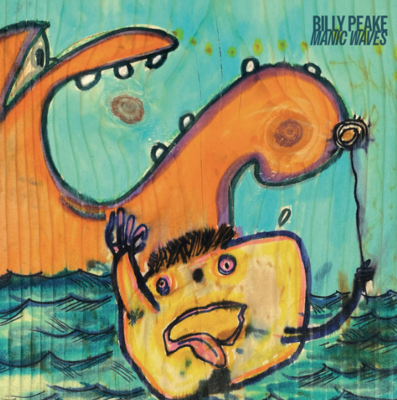
Manic Waves
Billy Peake
Billy Peake’s Manic Waves enters the current musical landscape with an unusual proposition: what if political music didn’t sound like a lecture, but like a pulse? The album tackles familiar terrain—online rage cycles, ideological hypocrisy, generational fatigue—but filters it through melody-first songwriting that refuses to sacrifice listenability for urgency. It’s a balancing act that could easily collapse, yet here feels almost instinctive.
Rather than anchoring itself in austerity or aggression, the record leans into motion. Grooves are warm, arrangements are often surprisingly bright, and even its most pointed lyrical moments arrive wrapped in hooks that linger long after the critique lands. This tension is central to the album’s identity: Peake is not interested in separating pleasure from discomfort, but in making them coexist in the same breath.
If there is a defining strength here, it’s restraint. Manic Waves never over-explains itself, nor does it reduce its targets to caricature. Instead, it observes with a kind of weary clarity that feels earned rather than performed. In doing so, Peake sidesteps the common trap of modern protest music: shouting into the void instead of building something worth returning to.